
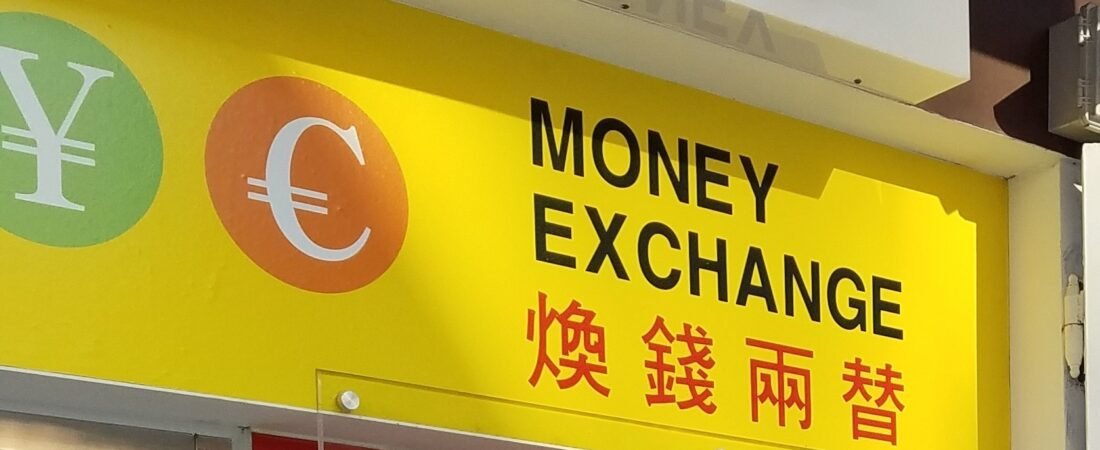
Paying for things in Korea is usually straightforward, but it helps to arrive with more than one option.
A foreign card may handle most of your purchases. You’ll still want some Korean won for market stalls, transportation-card top-ups, and the occasional transaction where your usual card doesn’t work.
This guide covers the practical side of managing money in Korea: which payment methods to bring, how to get cash, what to check when exchanging currency, and how to handle the payment situations you may encounter along the way.
Last checked: October 30, 2026
₩ 1. Get Familiar with Korean Won
South Korea’s currency is the Korean won, written as ₩ and abbreviated KRW.
The banknotes you’ll use are:
- ₩1,000
- ₩5,000
- ₩10,000
- ₩50,000
Common coins are ₩10, ₩50, ₩100, and ₩500.
Prices can look large if you’re used to a currency with smaller numbers. A ₩12,000 meal or ₩100,000 hotel bill takes a little getting used to, but you’ll soon recognize the amounts you encounter regularly.
When I first started using Korean won, I mentally removed the last three zeros to get a rough idea in US dollars: ₩10,000 became $10, for example. It helped me get comfortable with the numbers, but that shortcut assumes an exchange rate of ₩1,000 to US$1. Check the current rate before your trip, especially when budgeting or comparing larger purchases.
Check the exchange rate before your trip rather than relying on a fixed shortcut from an earlier visit. For larger purchases, compare the actual cost in your home currency.
When obtaining cash, having some smaller notes can make everyday payments easier than carrying only ₩50,000 bills.
💳 2. Bring a Card—and a Backup
Cards are widely accepted at Korean hotels, department stores, restaurants, and shops, although acceptance varies by business and card.
I usually pay with a foreign-issued Mastercard debit card and rarely need to enter my PIN. Check with your bank about foreign transaction fees and any conditions for using your card abroad.
That same card has unexpectedly been declined at both a major department store and smaller businesses. I carry a second card and some cash so a declined payment doesn’t interrupt my day.
Check Your Card’s Terms Before Leaving Home
Confirm:
- Whether it charges a foreign transaction fee
- Whether overseas use needs to be enabled
- Whether your bank requests a travel notification
- Your international ATM fees and withdrawal limits
- How to contact the issuer from abroad
Save the contact details somewhere you can access without the physical card.
Keep your backup card separately from your main wallet so losing one doesn’t leave you without both.
💵 3. How Much Cash Should You Carry?
There isn’t one amount that suits every trip.
Someone staying at hotels and shopping mainly at department stores may use very little cash. Someone visiting markets, buying street food, or regularly topping up a transportation card may need more.
Cash can be useful for:
- Small stalls and market vendors
- Ordinary T-money top-ups
- Certain machines or transportation purchases
- A purchase where your foreign card is declined
Think about your first day: airport transportation, any transportation-card purchase or top-up, and a little backup money for food or other expenses. Then consider how you’ll obtain more cash during the trip.
You don’t need to carry your entire travel budget in your wallet. Keep enough accessible for your plans and replenish it when necessary.
🏧 4. Using ATMs with a Foreign Card
Look for a machine marked Global ATM or Foreign Card, and check for your card network’s logo. Select the foreign-card option if the machine offers separate menus.
If one ATM rejects your card, try another bank or operator. If several machines fail, check your banking app for alerts and contact your issuer.
Check the Cost Before Confirming
Your total withdrawal cost depends on both the ATM and your own bank. Before traveling, check your issuer’s overseas withdrawal fees, conversion terms, and daily limit.
At the machine, read any operator fee and currency-conversion offer before approving the transaction.
An ATM may offer to charge your account in your home currency while dispensing Korean won. This is Dynamic Currency Conversion (DCC)—the same type of conversion choice you may encounter in a shop. Declining that conversion leaves the conversion to your card’s payment arrangements.
If each withdrawal carries a fixed fee, withdrawing many tiny amounts may cost more. Balance that against how much cash you’re comfortable carrying.
🏦 5. Exchanging Foreign Cash in Korea
Banks and authorized currency-exchange businesses are options for exchanging foreign cash into Korean won.
An airport counter can be convenient when you need won immediately after landing. For a larger exchange, compare what you’ll actually receive after any commission rather than judging only by the rate displayed outside.
Check opening hours for the specific location, especially if you’re arriving early, late, or on a holiday.
Ask About the Bills You’re Exchanging
On one trip, I wanted to exchange only about US$40. Some independent exchange counters were hesitant to accept my smaller bills. Others offered a lower rate than the headline rate on their sign.
That was my experience with those particular businesses, rather than a rule that applies to every exchange counter.
Before handing over your cash, ask:
“What rate applies to these bills, and how much Korean won will I receive?”
The currency, denomination, and condition of your notes can affect whether a business accepts them. VISITKOREA also advises checking acceptance of older currency.
💳 6. Choose the Payment Currency Carefully
When paying with a foreign card, you may be asked whether you want to pay in KRW or your home currency.
Choosing your home currency can activate Dynamic Currency Conversion (DCC). The merchant’s payment provider converts the purchase using its offered rate, which may include a markup.
I generally choose KRW, leaving the conversion to my card network or issuer. Your bank’s foreign transaction fee is separate and may still apply.
Visa states that merchants and ATMs offering DCC should show the exchange rate and any additional fee or markup, and give you the choice to accept or decline it.
When an Employee Handles the Terminal
If you can’t make the selection yourself, say “Korean won, please” before the employee completes the payment.
Check your receipt afterward.
At one restaurant, I noticed that my payment had been processed in USD. I asked whether they could redo it in KRW, and they did. Asking before payment is easier, but the receipt gives you a chance to spot an unexpected currency choice.
For my receipt examples and an explanation of how a conversion markup can be included in the exchange rate, see How to Avoid Overpaying in Korea.
🪧 7. Understand Payment Signs at Small Vendors
At markets and small businesses, you may encounter payment arrangements that differ from a conventional checkout.
계좌이체 Means Bank Transfer
A sign showing 계좌이체 (gye-jwa i-che), a Korean bank name, and an account number is offering direct bank transfer.
This generally requires a Korean bank account or a service that supports Korean domestic transfers. If you’re visiting with only an overseas bank account, plan to use cash or an accepted card instead.
A displayed bank account number doesn’t mean the vendor also accepts foreign cards.
Some Vendors Use a Cash Box or Tray
You may occasionally see customers put money into a cash box rather than hand it directly to the seller.
The vendor may tell you how much change to take, or customers may take the correct change themselves. Follow the seller’s instructions and ask if you’re unsure.
🚇 8. Plan Transportation Payments Separately
A card that works at shops may not be the payment method you’ll use for buses and subway journeys.
For an ordinary physical T-money card, carry Korean cash for standard convenience-store or station top-ups. VISITKOREA’s transportation guidance distinguishes these payment arrangements from other cards and tickets.
Some Seoul Ticket Machines Now Accept Foreign Cards
Since March 17, 2026, travelers have been able to use international cards, including Visa and Mastercard, at designated ticket machines on Seoul Subway Lines 1–8 to:
- Purchase Climate Cards and load short-term passes
- Purchase single-journey subway tickets
Seoul’s announcement also lists an average service fee of approximately 3.7% for international-card payments. Check the amount shown before confirming.
This doesn’t mean every machine supports foreign cards or that the same payment option applies to ordinary T-money top-ups.
Choose the card or ticket that fits your route, then check its specific purchase, loading, and refund instructions.
For arrival-day transportation-card planning, see my Incheon Airport Arrival Guide.
🛍️ 9. Compare the Final Price on Booking Sites
International booking sites introduce another currency decision.
The currency used to display a price may differ from the currency you’ll actually be charged. Before paying, check:
- The final checkout amount
- The payment currency
- Any platform conversion or service charge
- Your card’s fees
- Redemption conditions and refund restrictions
I once bought ₩150,000 in Olive Young vouchers through Klook because the effective price worked well for me. I also booked my arrival airport limousine bus voucher through Klook after comparing the cost.
Those purchases suited those particular trips. A prepaid voucher won’t always save money, especially if restrictions make it difficult to use the full value.
Compare what you’ll pay with what you’ll receive—and make sure you can use it during your visit as vouchers may have expiration dates.
🧾 10. Keep Receipts Until You’re Finished with Them
Receipts help you check the payment currency, track spending, and follow up on returns or refunds.
For eligible shopping purchases at participating stores, Korea’s tourist tax-refund system starts at ₩15,000. Eligibility and other conditions still apply; the purchase amount alone doesn’t guarantee a refund.
Ask for a tax-refund receipt, which may be printed separately from the ordinary sales receipt. Keep both.
Some stores deduct the tax immediately after checking your eligibility and passport. Other purchases require you to claim the refund later.
“Tax Free” and “Duty Free” Work Differently
Duty-free shopping and tourist tax refunds follow different systems. Check which process applies to your purchase rather than expecting every store displaying a tax-related sign to work the same way.
My Korea Travel Tips guide explains the airport tax-refund sequence and why you should keep purchases accessible until any required inspection is complete.
🚌 11. Keep Money Available for Your Airport Journey
Before using up your remaining cash or refunding your transportation-card balance, confirm how you’ll get to the airport and how you’ll pay.
On one trip, I had already refunded my T-money balance. I’d also changed hotels since arriving, so a bus from my new neighborhood was the convenient return option. I paid for it separately in cash.
It worked out, but it reminded me to settle the return journey before emptying my transportation card.
Keep enough accessible for your chosen transport, something to eat, and a possible change of plans.
💼 12. Bringing a Large Amount of Cash into Korea
Most visitors won’t need to carry their entire trip budget in cash. If you are bringing a large amount, check the declaration requirements before traveling.
Korea Customs Service states that travelers entering Korea with foreign currency, Korean won, or checks totaling more than the equivalent of US$10,000 must declare them to Customs.
The threshold applies to the combined total, rather than a separate allowance for each currency. Obtain and keep your foreign-currency declaration certificate before leaving the arrivals area; it cannot be issued afterward. Check departure requirements separately if you’ll be carrying substantial funds out of Korea.
Before You Go
My approach is simple: use my usual card for most purchases, carry some Korean won, and keep another payment method available.
Before leaving home, check your bank’s fees and know how you’ll get more cash. During the trip, pay attention to the currency shown at checkout and keep receipts you may need later.
Once those details are sorted, paying for everyday things usually becomes a small part of the trip.
Official Resources
- VISITKOREA — Korean Currency & Exchange Info
- VISITKOREA — Transportation cards
- Seoul Metropolitan Government — International-card payments for Climate Cards and single-journey tickets
- Visa — Dynamic Currency Conversion
- VISITKOREA — Comprehensive tax-refund guide
- Korea Customs Service — Foreign-currency declaration