
Last checked: November 6, 2026
Seoul in winter is all about contrast: dazzling light displays against dark evening skies, steaming street food enjoyed in crisp subzero temperatures, and peaceful palace walks followed by warm afternoons retreating into museums and cozy cafés. A dust of snow makes the city feel like a postcard, but Seoul’s winter charm certainly doesn’t depend on it.
Having spent a full January in Korea—where temperatures routinely hovered below freezing and dipped as low as −15°C (5°F)—I can promise that the cold is part of the experience, not a barrier. As long as you bundle up properly, ducking indoors for a hot meal or a warm beverage becomes part of the day’s adventure.
This guide covers everything you need to know for December, January, and February: expected weather and packing advice, seasonal dishes to seek out, top winter sights, and key tips on navigating holiday closures during Christmas, New Year’s, and Seollal.
In This Guide
🌡️ 1. Seoul Winter Weather: What to Expect
Winter in Seoul runs from December through February, with January taking the crown as the coldest stretch. Cold spells can hit at any point throughout the season, and subzero nights are standard.
The weather can be surprisingly varied depending on where you are and what you’re doing. A crisp, sunlit afternoon feels entirely manageable, but standing along the Hangang as the evening wind comes off the river is an entirely different story. Likewise, stepping in and out of heated shops and subway stations is easy enough, but waiting at an open-air bus stop or standing still for an outdoor performance will test your layers fast.
During my stay, gloves, a good scarf, and something to cover my ears were non-negotiable every day. On the bitterest afternoons, even a quick five-minute walk can feel remarkably long if the wind catches you off guard.
Keep an eye on the forecast as you travel—wind chill, unexpected snow, and patchy ice can change how comfortable an outdoor stroll will be, and occasional winter haze or poor air quality might mean swapping an outdoor walk for an afternoon indoors instead.
🔎 Useful resources: Korea Meteorological Administration for weather forecasts; AirKorea for current air-quality information. Both pages are available in English.
📅 2. Seoul in December, January and February
Seoul in December
December brings Christmas decorations, evening lights and year-end atmosphere. Some department-store displays begin in November, while public markets, skating and other winter programs may open later in December.
That difference matters for an early-December trip. Seasonal photos can make everything appear to happen at once, but individual attractions follow different schedules.
December suits a mix of daytime sightseeing and festive evenings. Warm clothing is essential throughout the day, with temperatures often dropping further after sunset.
Seoul in January
January is deep winter. Snow-covered palace roofs would be a lovely addition to a visit, but sustained cold is a more useful expectation than guaranteed snowfall.
Museums, galleries, cafés and performances offer plenty to enjoy alongside shorter outdoor outings. A palace visit and lunch around Jongno, for example, can fit comfortably with an indoor afternoon.
Some Christmas displays finish around New Year, while other lights and winter activities continue into January. Check individual dates in the winter events guide.
Seoul in February
February is still winter, particularly in the mornings and evenings. Later afternoons may begin to feel milder, but warm outerwear and layers remain useful.
In 2027, Seollal falls on February 7th, with the public holiday period running February 6–9. This includes an additional day off on February 9 because Seollal falls on a Sunday.
For visitors traveling between cities, holiday transport deserves particular attention. Within Seoul, opening hours vary between businesses and attractions.
🧥 3. What to Wear in Seoul in Winter
An insulated coat or padded jacket provides the foundation, with layers underneath that you can remove indoors. Subway cars, shops, restaurants and museums can feel very warm after time outside.
A thermal or comfortable base layer, sweater or fleece, and outer coat give you flexibility. Gloves, a scarf, warm socks and a hat or earmuffs are useful additions for longer outings.
Comfortable footwear matters just as much as warmth. Seoul sightseeing involves stairs, slopes and plenty of walking. Water resistance and good traction become particularly helpful when snow melts into slush or freezes on paths.
Hot Packs (핫팩)
Disposable hot packs were among my most useful winter purchases. Keeping one in a coat pocket gave me somewhere to warm my hands during bitterly cold days.
They’re sold at many convenience stores and everyday shops. Heating time and temperature vary, so follow the package instructions. Avoid prolonged direct contact with bare skin or using them while sleeping, because burns are possible.
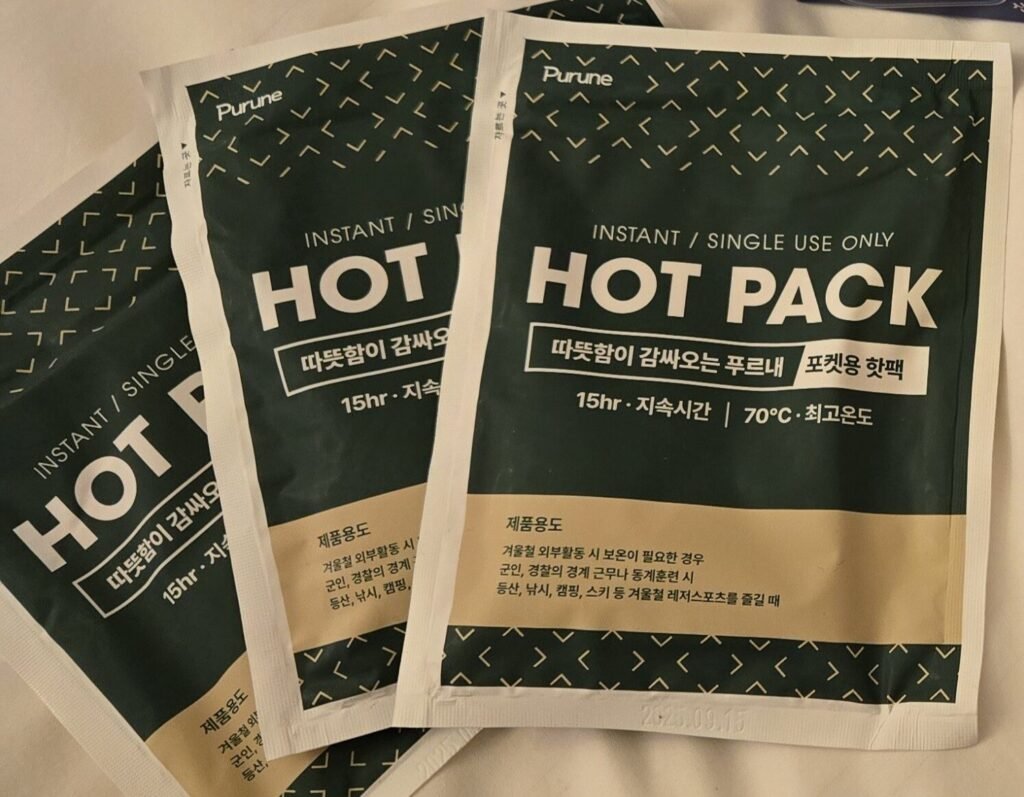
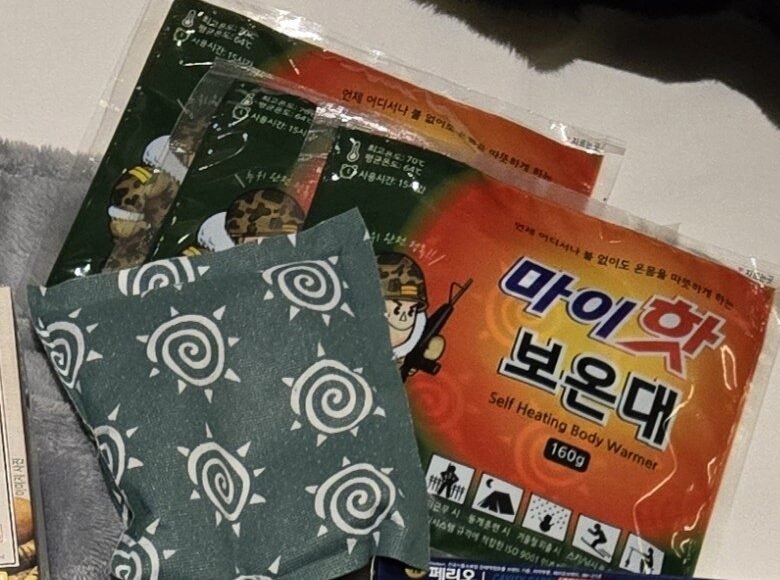
Caption: Pocket hot packs (핫팩) for a little extra warmth on cold winter outings.
Lip balm and moisturizer are also helpful in cold, dry weather. For a more detailed packing list, see What to Pack for Korea once published.
🌨️ 4. Does It Snow in Seoul?
Yes, but a winter visit doesn’t guarantee snow-covered streets or palace grounds.
Seoul can be very cold without fresh snow. When snow does arrive, it may melt quickly in busy areas or become slushy underfoot. Shaded paths and quieter lanes can remain icy after other surfaces have cleared.
Palaces and parks can be particularly beautiful after snowfall, with snow outlining rooftops, branches and stone walls. They’re still worthwhile places to explore even when the ground is bare.
If skiing, sledding or other snow activities are a priority, a resort or dedicated winter excursion offers a more focused option. Check operating conditions and whether the activity uses natural or manufactured snow.
⚠️ Important: Palace steps, neighborhood slopes and walking trails can become slippery. Check local conditions before choosing an outdoor route.
🏯 5. Places to Explore in Seoul in Winter
Winter changes the atmosphere of familiar sights. Bare branches reveal palace buildings, clear days bring city views, and a neighborhood walk can become a series of small stops for food, tea and browsing.
Seoul’s Palace Grounds
Gyeongbokgung (경복궁), Changdeokgung (창덕궁), Changgyeonggung (창경궁) and Deoksugung (덕수궁) offer traditional architecture and spacious grounds throughout winter.
After snow, the contrast between white roofs and painted wooden buildings can be especially striking. Without snow, the architecture and open winter views remain part of the appeal.
Winter opening hours and closing days vary by palace. Nearby museums, restaurants and cafés make it easy to combine a visit with time indoors.
Insadong, Seochon and Ikseon-dong
Insadong (인사동), Seochon (서촌) and Ikseon-dong (익선동) offer shorter walks between shops, galleries, restaurants and cafés.
Their appeal in winter is partly the rhythm of the outing: time outdoors, something warm to eat or drink, and another street to explore afterward.
Nearby Bukchon (북촌) is a residential neighborhood. Follow posted visitor-hour restrictions and keep voices low around homes.
Namsan (남산)
Namsan offers wooded paths and views across Seoul. On a clear day, winter’s bare trees can open up views that feel different from the greener months.
Exposed viewpoints may be windy, and walking routes can become icy. Visibility, daylight and path conditions are worth checking before an uphill outing.
Cheonggyecheon Stream (청계천)
Cheonggyecheon offers a waterside walk through central Seoul, with convenient access to Jongno, Gwanghwamun and Dongdaemun.
A short stretch can fit between sightseeing stops. Seasonal light displays give parts of the stream a different atmosphere after dark, with current dates covered in the winter events guide.
The Hangang (한강)
The river remains a place for open skyline views and shorter winter walks. Yeouido, for example, offers opportunities to combine time beside the water with shopping or dining nearby.
Wind makes a noticeable difference here. The temperature beside the river may feel much colder than it did among sheltered city streets.
🍲 6. What to Eat in Seoul in Winter
Warm snacks and shared meals are part of the pleasure of winter sightseeing. Learning a few Korean names makes them easier to recognize on signs and menus.
Bungeoppang (붕어빵)
These fish-shaped pastries traditionally contain sweet red bean paste, although other fillings are common.
A freshly cooked bungeoppang makes a welcome snack during a cold walk. Street-stall hours can be irregular, so a recommended location may not operate every day.
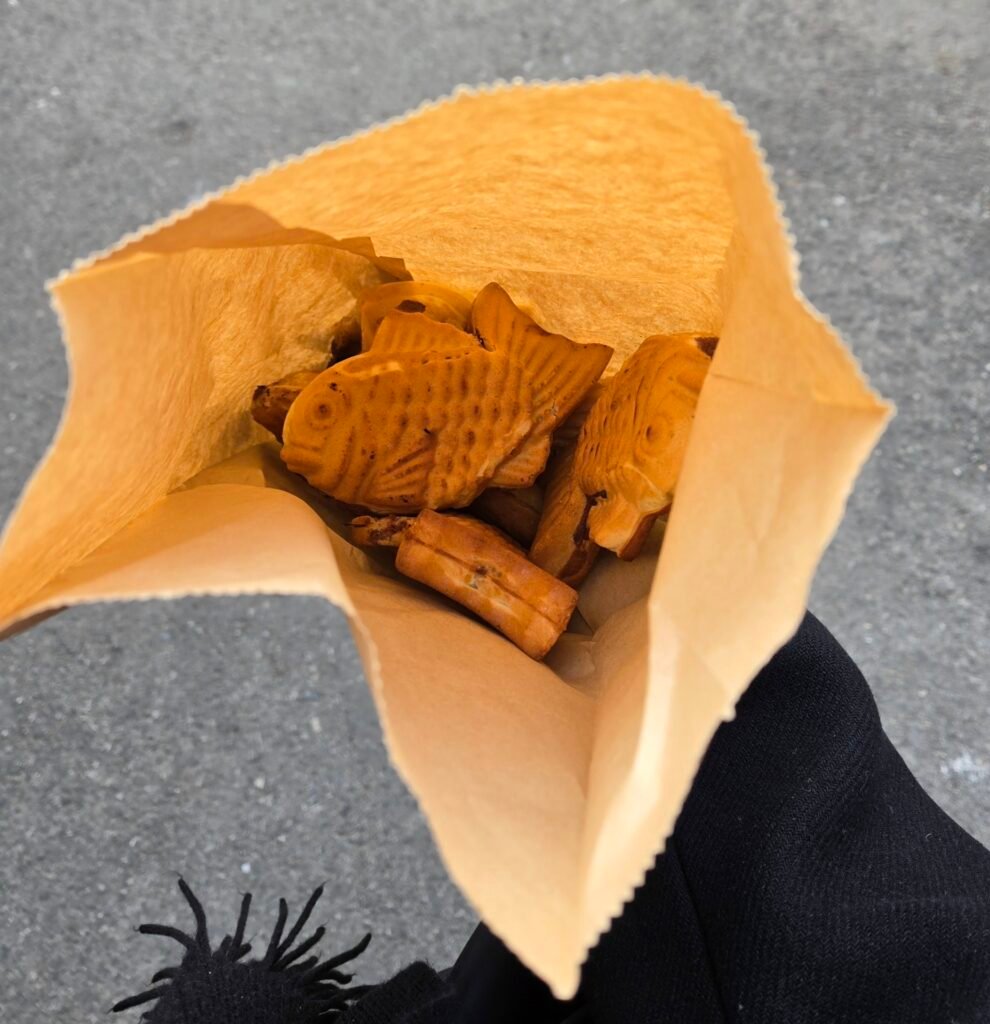
Caption: Fish-shaped bungeoppang are a welcome warm snack on a cold Seoul walk.
Jjinppang (찐빵)
Soft steamed buns with a sweet filling, often red bean paste, jjinppang are a comforting winter snack. You’ll commonly find them at stalls selling mandu (만두), with clouds of steam rising from the trays. Served warm, the fluffy dough and sweet filling are especially satisfying on a cold day.
Hotteok (호떡)
Hotteok are sweet filled pancakes, often with a syrupy sugar filling. Different vendors offer different textures and fillings, making them worth trying in more than one place.
The center can be much hotter than the outside.
Roasted Sweet Potatoes and Chestnuts
군고구마 (gun-goguma) are roasted sweet potatoes, while 군밤 (gun-bam) are roasted chestnuts.
Both are familiar cold-weather foods. Watch for their Korean names at street stalls and shop displays as you explore.
Eomuk (어묵) and Tteokbokki (떡볶이)
Eomuk is fish cake, often served at street stalls with warm broth. Tteokbokki is rice cake cooked in sauce, commonly spicy.
Neither belongs exclusively to winter, but both are appealing after time outside. Broth and sauce ingredients vary, which matters for visitors with allergies or dietary restrictions.
Kalguksu (칼국수) and Sujebi (수제비)
A steaming bowl of noodle soup is especially welcome after a cold morning outdoors. Kalguksu features knife-cut wheat noodles, while sujebi contains irregular pieces of hand-torn dough, giving each spoonful a slightly different texture.
Broths and ingredients vary by restaurant, with versions featuring clams, chicken, potatoes or vegetables. Both are comforting meals worth looking for between winter outings.
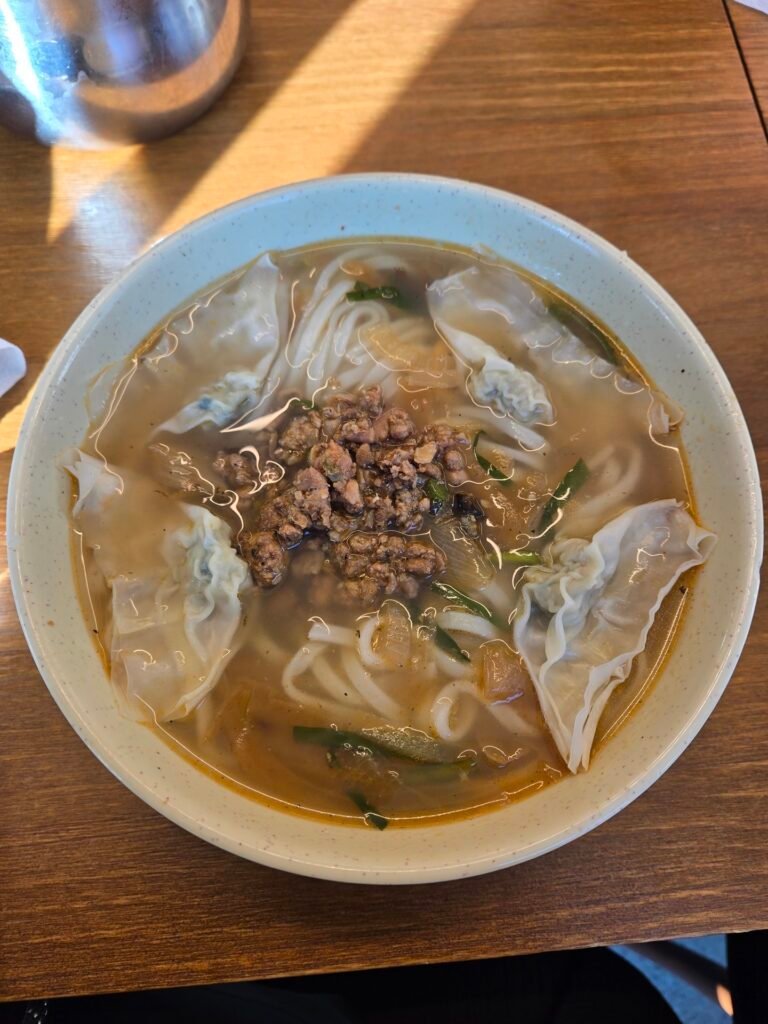
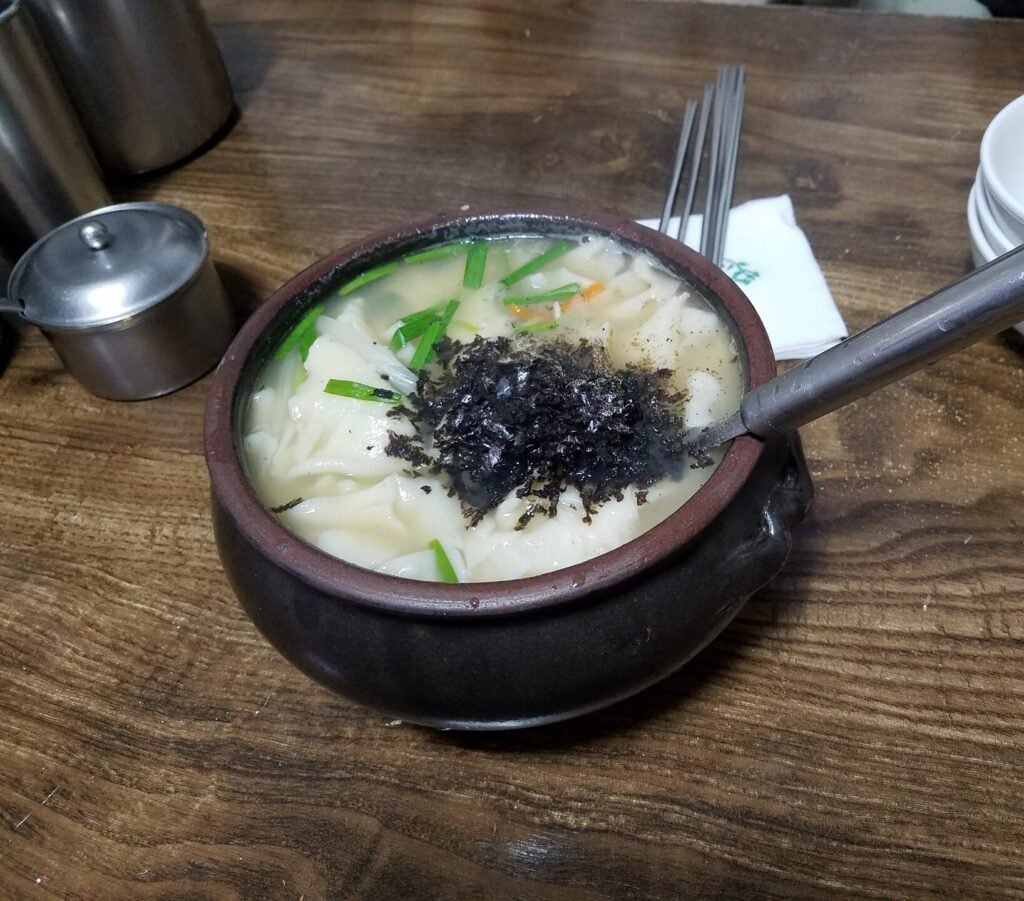
Left: Kalguksu (칼국수) with mandu. Right: Sujebi (수제비), hand-torn dough soup.
Winter Drinks to Warm Up With
Winter café stops offer plenty beyond coffee. Yuja-cha (유자차) and hallabong-cha (한라봉차) bring bright citrus fragrance and sweetness, often made by stirring fruit preserves into hot water—a little sunshine in a cup on a cold afternoon.
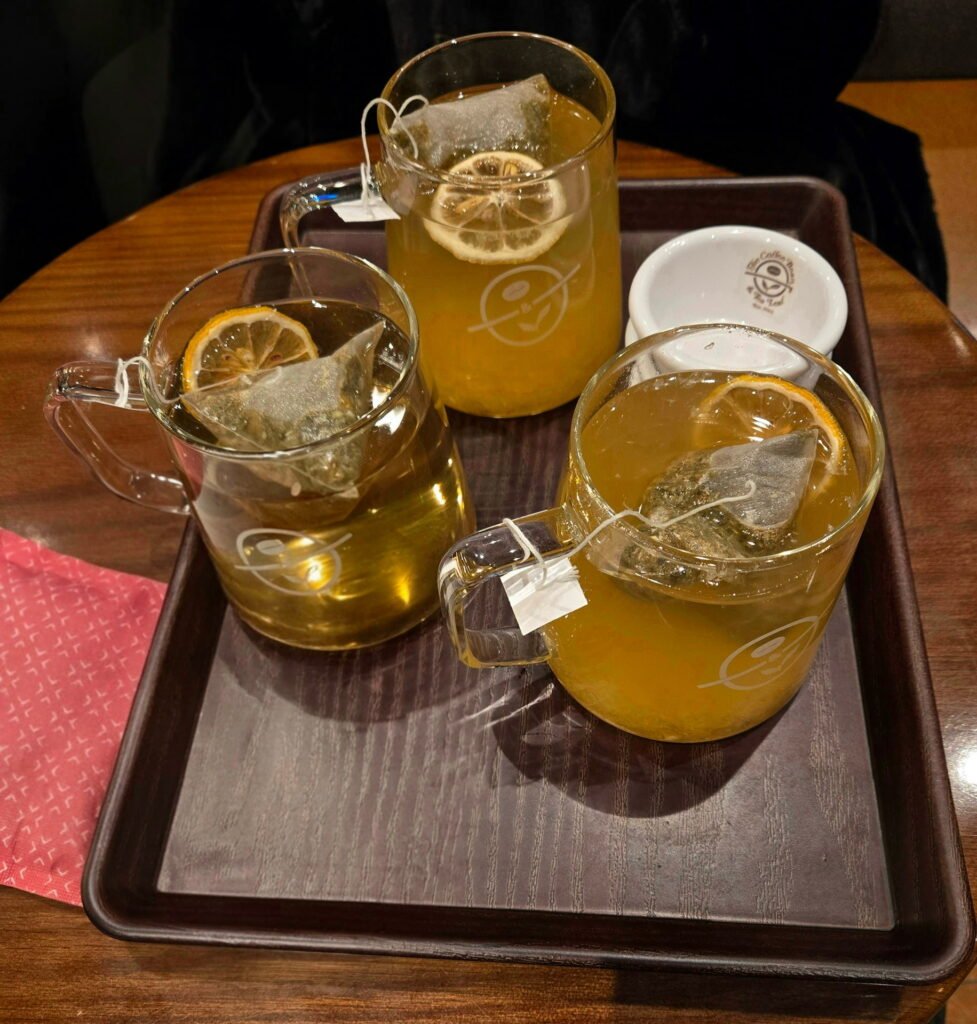
For something creamy, look for goguma latte (고구마라떼), a sweet-potato drink usually made with milk rather than coffee. Traditional teahouses offer other possibilities, including spicy saenggang-cha (생강차), or ginger tea, and mellow daechu-cha (대추차), made with jujubes. Menus vary, making these warm stops a chance to discover a new favorite.
🏛️ 7. Indoor Activities for Cold Days
Seoul’s museums, galleries, performances and bathhouses can be highlights of a winter trip in their own right.
The National Museum of Korea (국립중앙박물관), Seoul Museum of History (서울역사박물관) and MMCA Seoul (국립현대미술관 서울) offer different perspectives on Korean history and art. Exhibition tickets and opening days vary.
A jjimjilbang (찜질방) offers another winter experience. Facilities differ, with communal bathing areas, clothed sauna spaces and other amenities depending on the venue. Check what admission includes and how each area operates.
Markets such as Gwangjang Market (광장시장), Namdaemun Market (남대문시장) and Mangwon Market (망원시장) combine food and browsing, although covered stalls don’t always mean heated seating.
Concerts, musicals and temporary exhibitions add options for evenings. Seongsu’s cafés, shops and changing pop-ups can also fill an afternoon, with current dates and entry arrangements checked before visiting.
✨ 8. Winter Lights, Christmas Displays and Skating
Winter evenings bring a different side of Seoul: illuminated shopping streets, Christmas installations, outdoor skating and seasonal markets.
Around Myeongdong, Shinsegae’s digital façade and festive decorations can fit into an evening of dinner and shopping. The fountain-shaped landmark beside the store is permanent, with decorations changing seasonally.
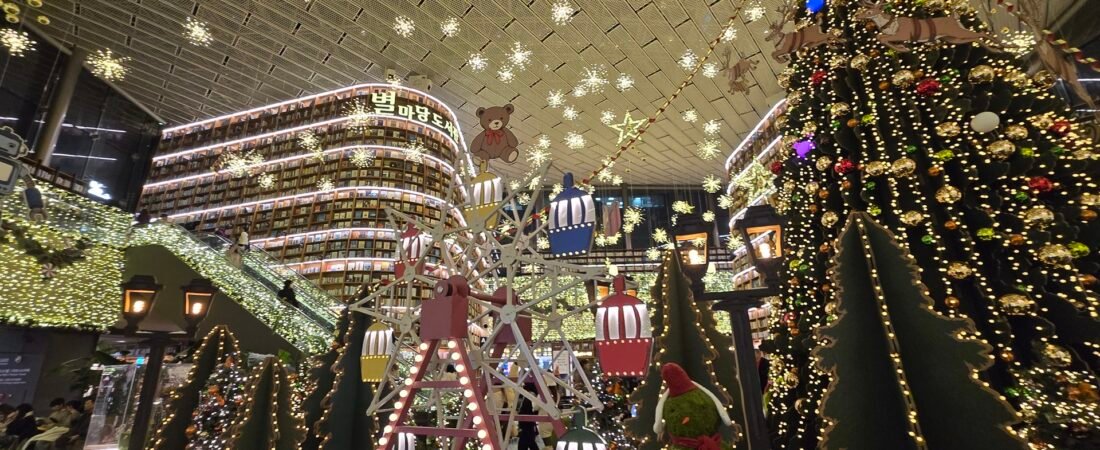
The Hyundai Seoul and Starfield Library offer indoor Christmas settings, while Gwanghwamun, Cheonggyecheon and DDP host seasonal outdoor programs. Seoul Plaza’s skating rink adds an activity in the city center.
These attractions operate on different schedules. Some begin in November, others open during December, and only certain programs continue into January or February. Popular installations may require reservations.
For event dates, Christmas market reservations and festivals beyond Seoul, see our Winter Festivals & Events in Korea guide.
🎄 9. Christmas, New Year and Seollal
Christmas and New Year
Christmas Day, December 25, is a public holiday in South Korea, but many shops, restaurants and attractions remain open. Shopping districts and Christmas displays can be particularly busy.
New Year’s Eve brings countdowns and the bell-ringing ceremony associated with Bosingak Pavilion (보신각). Large celebrations can affect nearby roads, station exits and bus routes, including journeys by visitors who aren’t attending.
Event-specific crowd controls and any extended transport services are announced separately. The winter events guide will cover the relevant arrangements as they become available.
🦉 Getting back late: Seoul’s Owl Buses (올빼미버스) run nightly on selected routes, identified by route numbers beginning with N, roughly between 11 p.m. and 6 a.m. The adult fare is ₩2,500 with a transportation card, with buses generally arriving every 10–40 minutes, depending on the route. Check your specific stop and connection; event-related road closures may affect service.
Official Seoul Owl Bus routes and operating information.
Seollal in February 2027
Seollal (설날) falls on February 7, 2027, with the holiday period February 6–9.
Seollal brings more noticeable closures, particularly among independent restaurants, shops and traditional-market businesses, as families gather for the holiday. Some close only on Seollal itself, while others take several days off. Many larger shopping and entertainment venues operate during at least part of the holiday, so check individual opening schedules.
Intercity travel is a major consideration. Family journeys create strong demand for trains and buses, and road trips can take longer. Reservation arrangements matter particularly if your itinerary includes travel beyond Seoul during the holiday.
Within the city, checking individual opening hours and having several dining options makes planning easier.
🏂 10. Winter Day Trips from Seoul
A day beyond Seoul can bring snow activities, mountain scenery or a different historic setting.
Skiing, Snowboarding and Sledding
Resorts offer opportunities to try winter sports, with lessons and rental packages available at some locations.
Package inclusions vary considerably. Clothing, equipment, lift access, lessons and transfers may be priced separately, so compare the complete arrangements.
Sledding and snow-play areas offer alternatives for visitors who want a winter outing without skiing. Operating dates, age restrictions and snow conditions vary.
Ice and Snow Festivals
Regional festivals can add ice fishing, snow sculptures and other seasonal activities to a trip.
Weather and safety inspections affect operations, and individual activities may open separately from the wider festival. Current options and logistics belong in the Winter Festivals & Events in Korea guide.
Suwon (수원)
Suwon offers a cultural day trip centered on Hwaseong Fortress and nearby historic streets.
It’s an option when you want to explore beyond Seoul without making snow the goal. Exposed fortress paths can be cold and windy, with restaurants and cafés offering indoor stops nearby.
🚇 11. Getting Around and Where to Stay
A convenient station and a straightforward walk to your accommodation become especially welcome in winter. Hills, stairs and long outdoor connections can matter as much as the distance shown on a map.
Myeongdong, Jongno and City Hall can suit sightseeing around downtown palaces and winter events. Hongdae, Jamsil and the COEX area offer different advantages depending on where you plan to spend your time.
Naver Map helps compare station exits and door-to-door routes. Subway travel keeps much of the journey indoors; bus journeys may involve waiting outside. Taxis provide another option for luggage, late evenings or poor weather, with traffic and availability affecting the trip.
Shorter daylight hours also shape outdoor sightseeing. Palace visits, neighborhood walks and excursions fit differently into the day than evening lights, dinner or performances.
Shorter daylight hours also shape outdoor sightseeing. Palace visits, neighborhood walks and excursions fit differently into the day than evening lights, dinner or performances.
❓ Seoul in Winter FAQ
When is the best month to visit Seoul in winter?
December offers festive displays and year-end atmosphere. January brings deep winter, while February may suit winter activities and cultural experiences around Seollal. The best fit depends on what you want to experience and the dates of any specific events.
Can I expect snow during a winter trip to Seoul?
Snow is possible, but it isn’t guaranteed during your stay. Seoul can be very cold without fresh snowfall, and snow may melt quickly in busy areas. If snow activities are a priority, consider a ski resort or snow-focused day trip and check current operating conditions.
Are Christmas displays still up in January?
Some continue into January, while others finish around New Year. Check the individual attraction’s dates in the winter events guide.
Is Seoul still enjoyable even if I dislike the cold?
Food, museums, shopping and performances provide plenty of indoor options, with shorter time spent outdoors. Spring or fall may be a more comfortable fit if long walks and extended outdoor sightseeing are your main priorities.
🧭 Planning Your Winter Visit
Whether you’re catching the festive lights in December, leaning into the deep, quiet chill of January, or soaking up the warmth of holiday traditions in February, winter reveals a uniquely inviting side of Seoul.
Pack the right layers, and the season unfolds naturally: crisp mornings wandering historic palace grounds, quiet afternoons in cozy museum halls, and nights spent sharing a bubbling pot of jeon-gol or grabbing a steaming jjinppang from a street vendor on your way back. Snow is just a bonus—Seoul in winter holds its own, with or without a snowfall.